Optimal Timing for Concrete Resurfacing
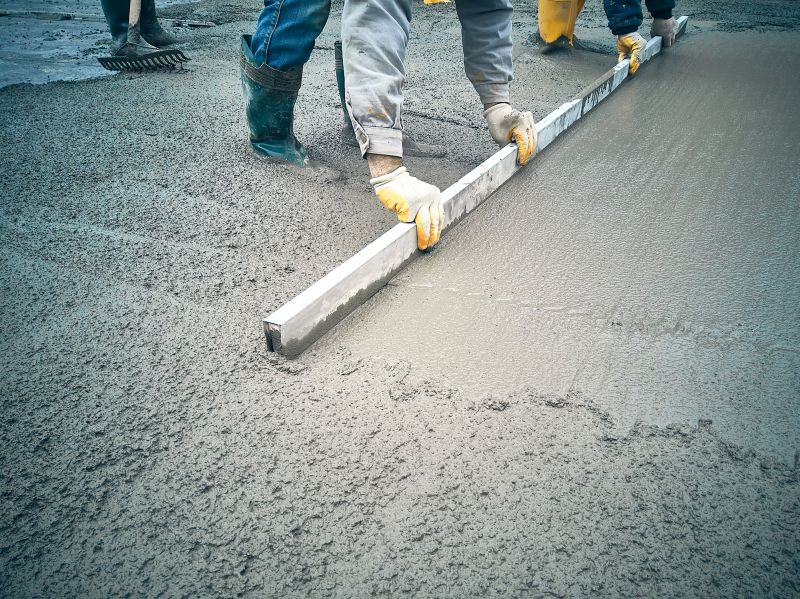
Spring offers moderate temperatures ideal for resurfacing projects, reducing the risk of cracking due to temperature fluctuations.
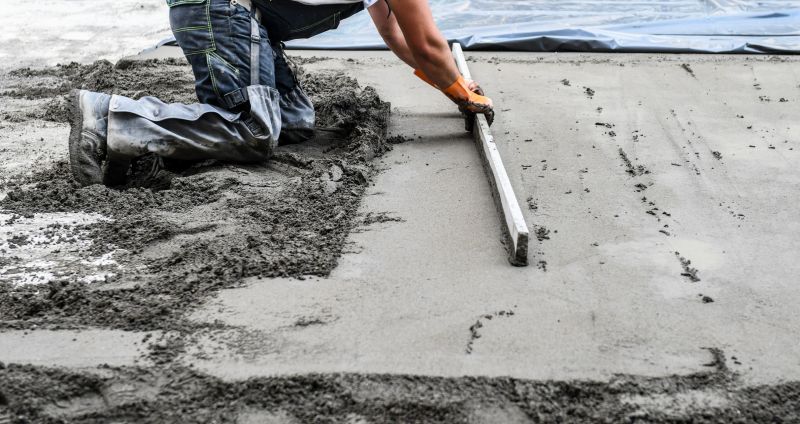
Warm, dry summer months facilitate proper curing and adhesion, making it a preferred season for concrete resurfacing.
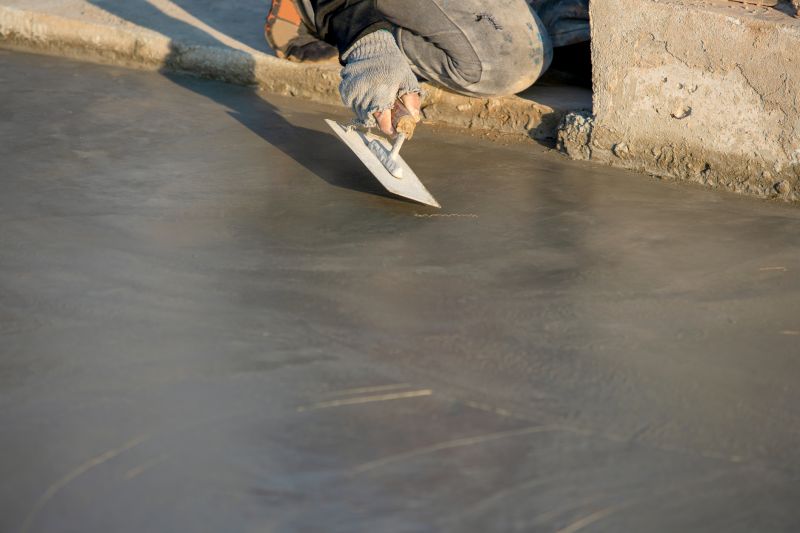
Fall provides cooler weather with less humidity, helping to prevent moisture-related issues during the curing process.
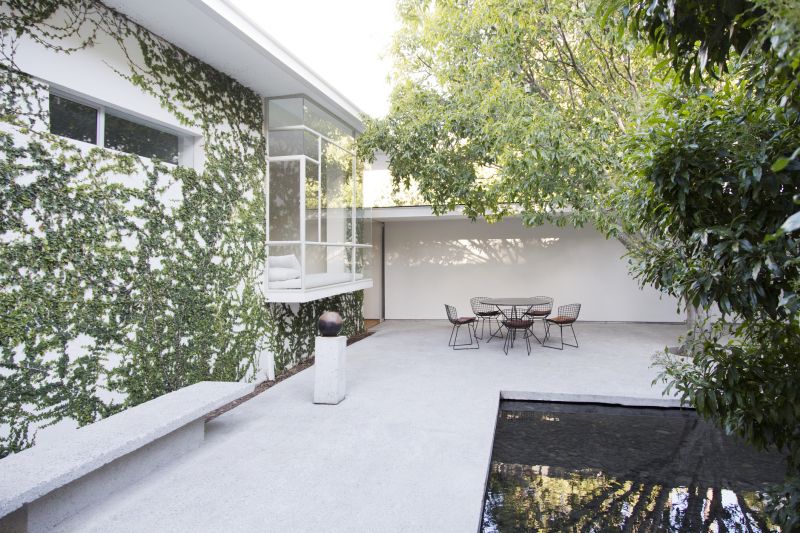
Ways to make Concrete Resurfacings work in tight or awkward layouts.
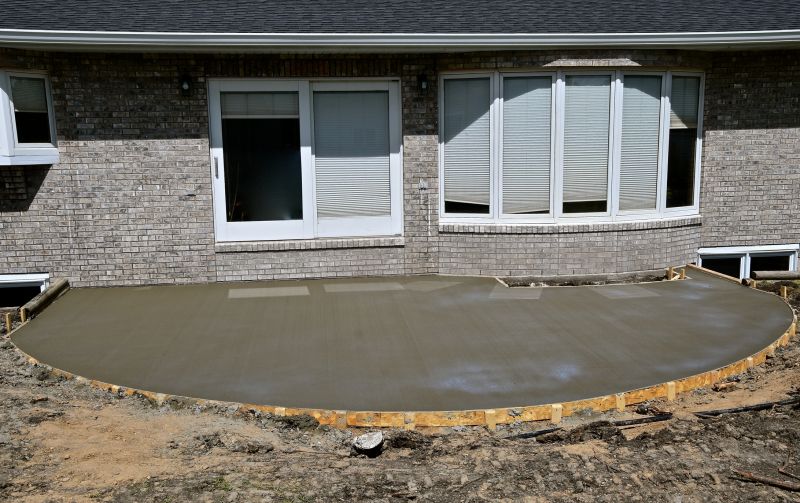
Popular materials for Concrete Resurfacings and why they hold up over time.
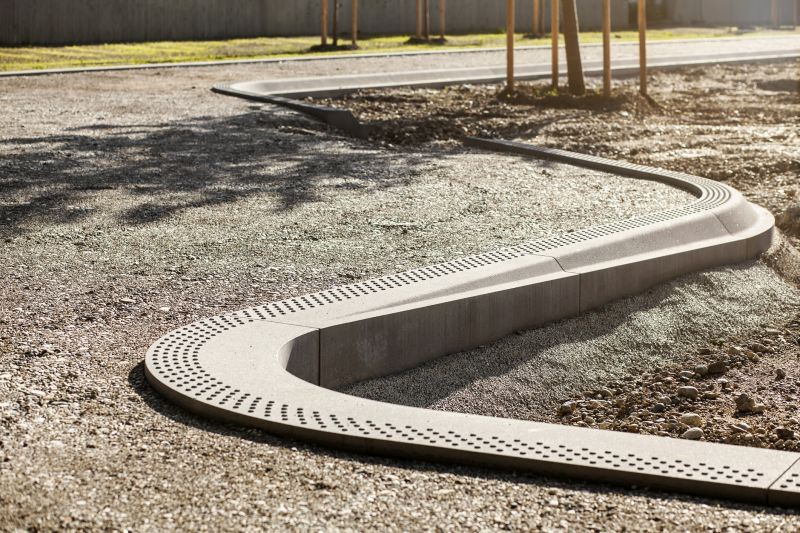
Simple add-ons that improve Concrete Resurfacings without blowing the budget.
Concrete resurfacings are a cost-effective way to restore and enhance the appearance of existing concrete surfaces. The process involves applying a new layer of material over worn or damaged concrete, improving durability and aesthetics. Proper timing ensures optimal results, with ideal conditions including mild temperatures, low humidity, and minimal rainfall. These factors contribute to better adhesion and curing, extending the lifespan of the resurfaced area.
Low humidity and temperatures between 50°F and 85°F are optimal for concrete resurfacing projects.
Extreme temperature changes can cause cracking and improper curing, reducing the longevity of the resurfacing.
Resurfacing is best avoided during winter or periods of heavy rain to prevent moisture entrapment and surface defects.
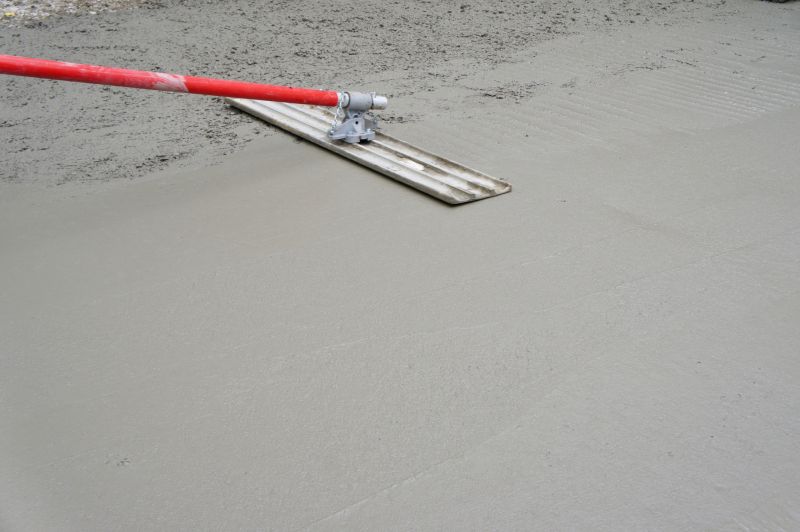
Ideal for moderate temperatures and low rainfall.
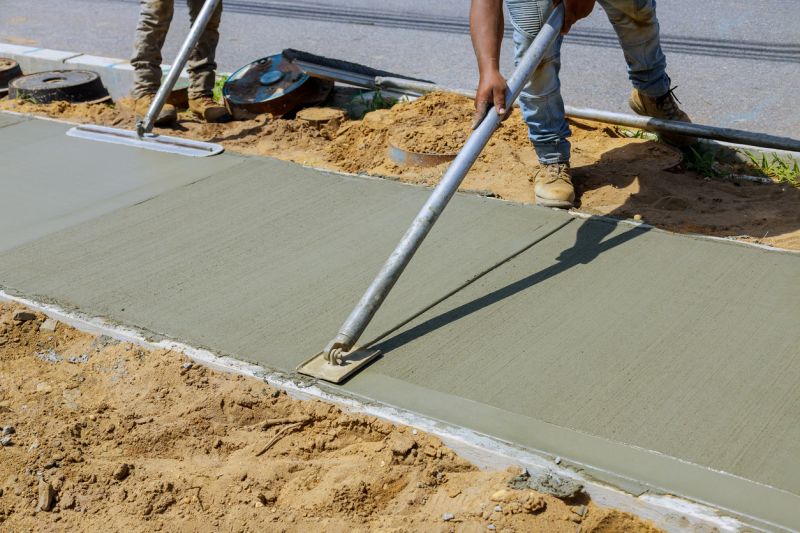
Best during dry, warm conditions for optimal curing.
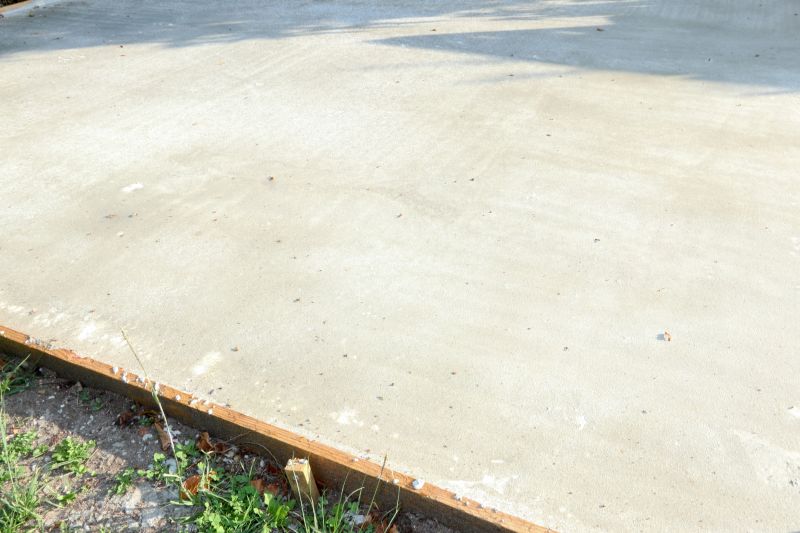
Suitable due to cooler temperatures and less humidity.
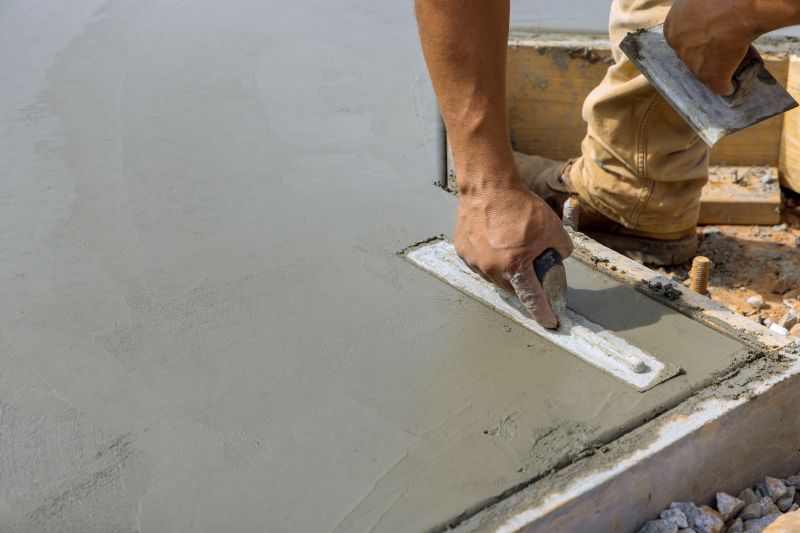
Cold temperatures and moisture can compromise surface integrity.
| Season | Optimal Conditions |
|---|---|
| Spring | Temperatures 50-70°F, low rainfall, moderate humidity |
| Summer | Warm temperatures 70-85°F, dry conditions |
| Fall | Cooler temperatures, low humidity, dry weather |
| Winter | Cold temperatures below 50°F, high moisture risk |
| General Advice | Avoid resurfacing during freezing temperatures or heavy rain |
Choosing the right time for concrete resurfacing is crucial for ensuring a durable and visually appealing finish. Seasonal factors such as temperature, humidity, and precipitation play significant roles in the success of the project. Properly timed resurfacing can extend the lifespan of the concrete surface, reduce the need for future repairs, and improve safety by providing a smooth, even surface.
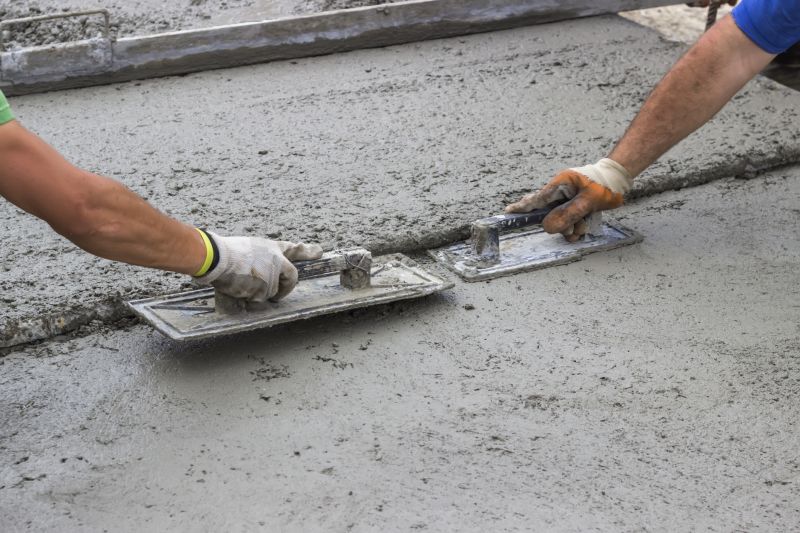
Ensures proper adhesion and curing for longer-lasting results.
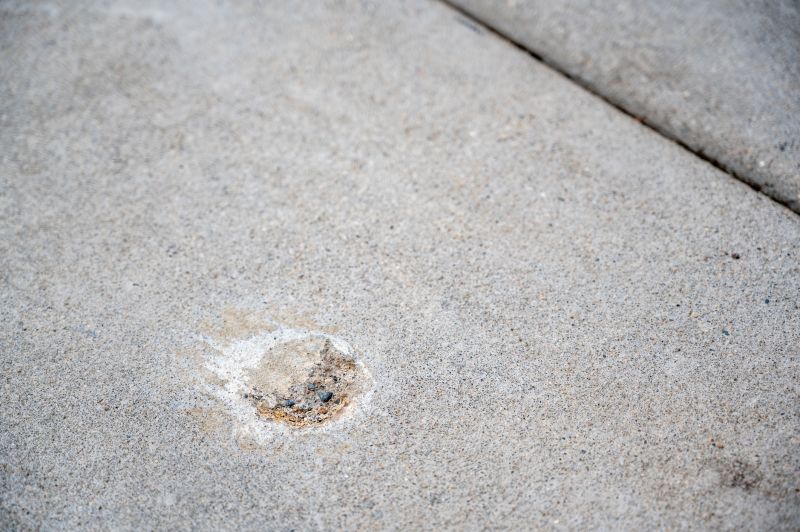
Adverse weather can lead to surface defects and reduced durability.
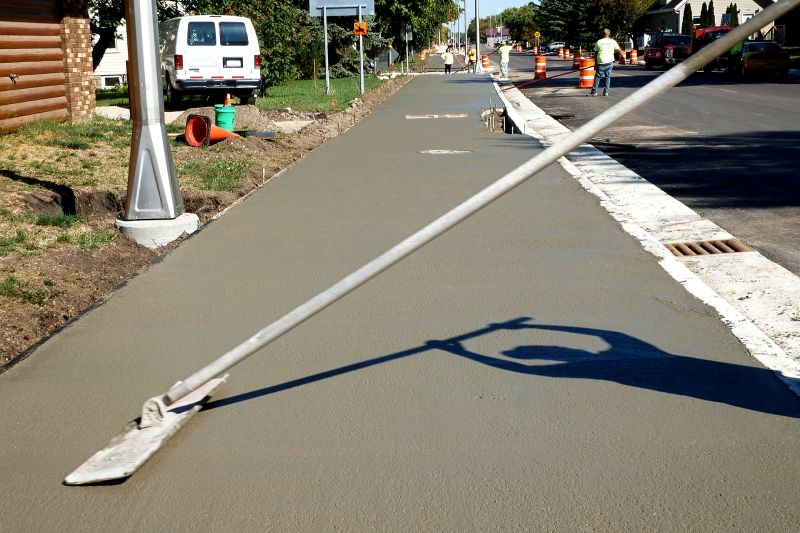
Plan projects during favorable weather conditions for best outcomes.
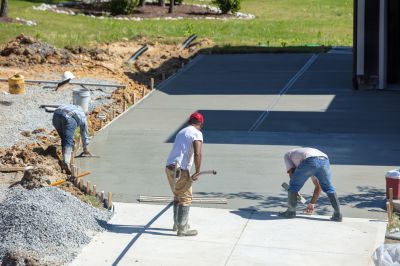
Proper cleaning and repair before resurfacing are essential regardless of season.
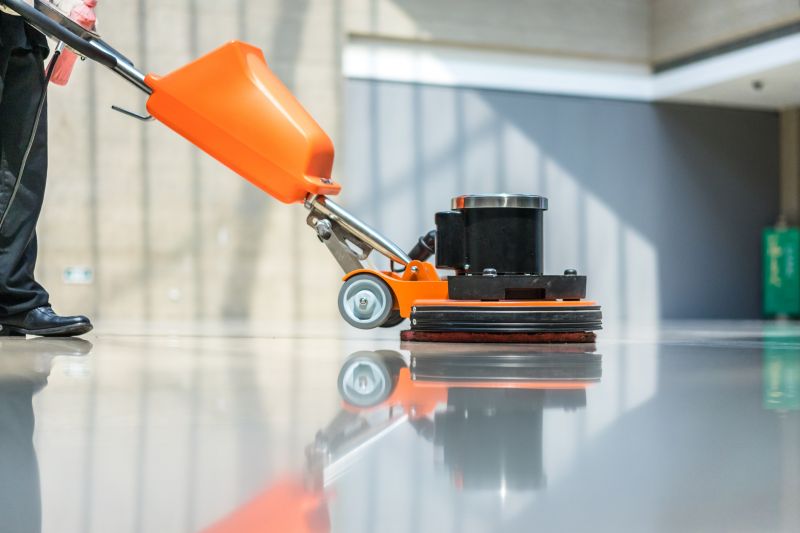
High-end options that actually feel worth it for Concrete Resurfacings.
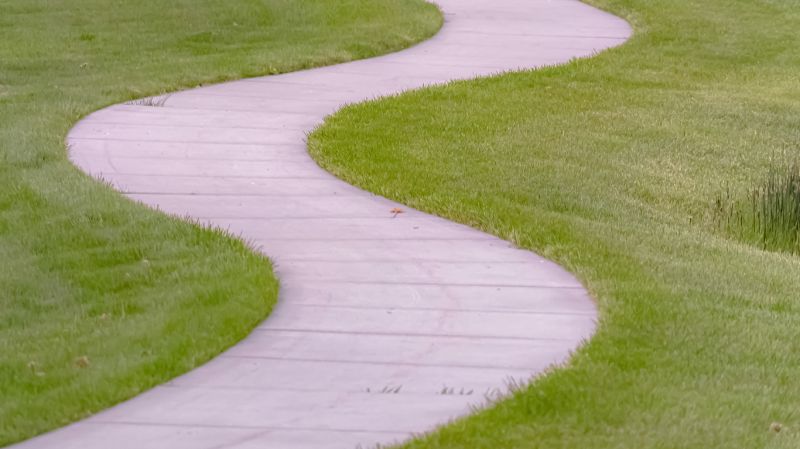
Finishes and colors that play nicely with Concrete Resurfacings.
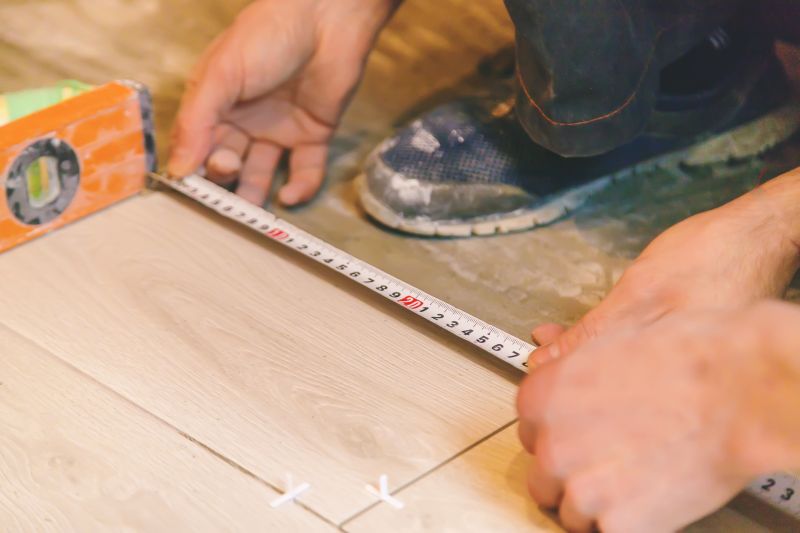
Little measurements that prevent headaches on Concrete Resurfacings day.
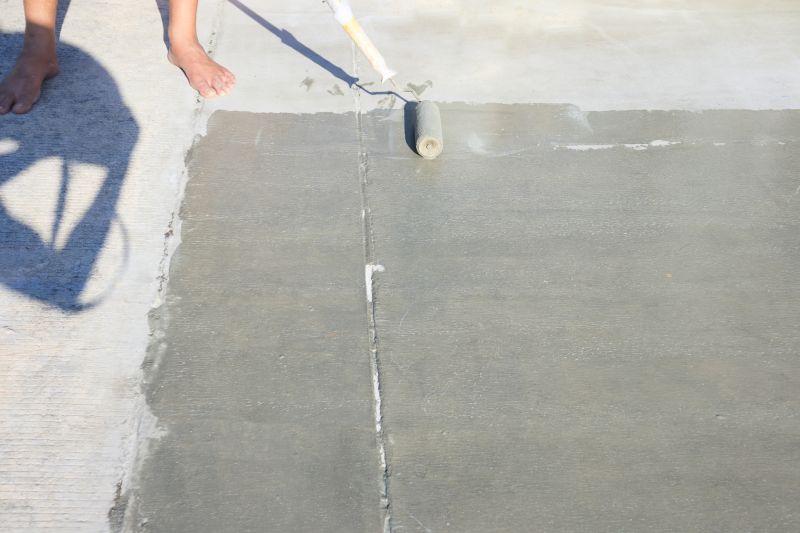
A 60-second routine that keeps Concrete Resurfacings looking new.
Interested parties should consider local climate patterns and forecasted weather when scheduling a concrete resurfacing project. Consulting with professionals can help determine the most suitable timing, ensuring the surface cures properly and maintains its integrity over time.
Enhanced durability, better appearance, and longer lifespan of the resurfaced concrete.
Cracking, peeling, and reduced adhesion can result from improper scheduling.
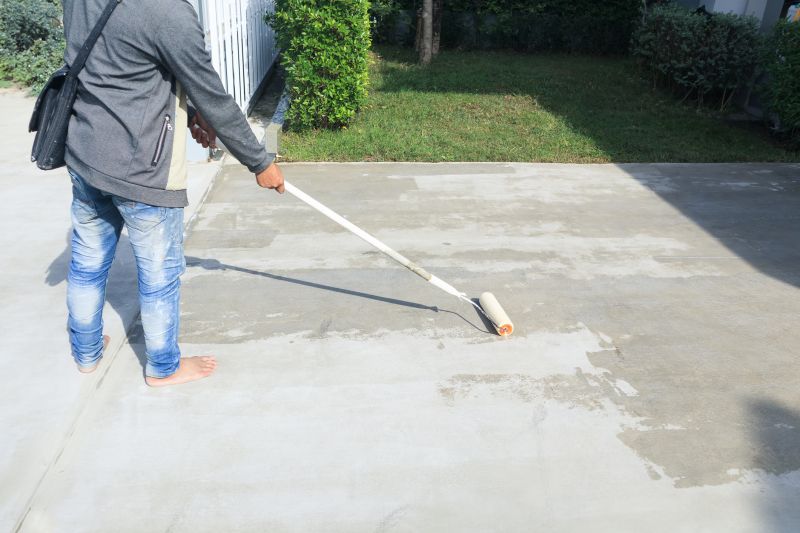
Includes surface preparation, priming, and applying the new layer.
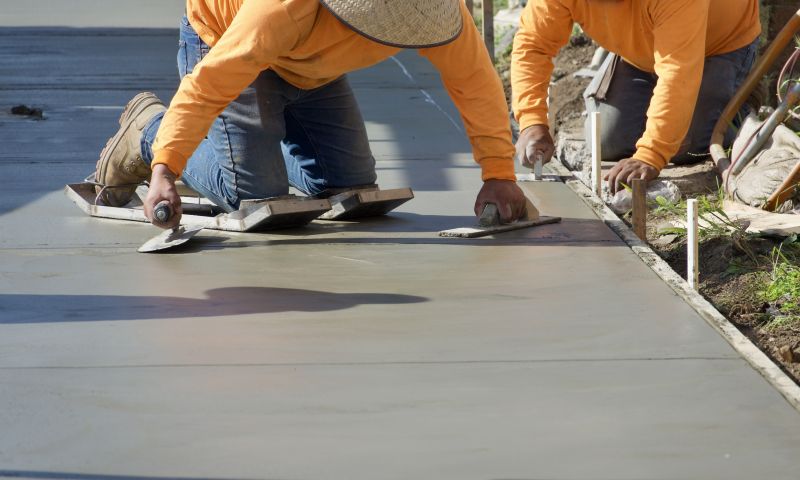
Professional application ensures a smooth, durable finish.
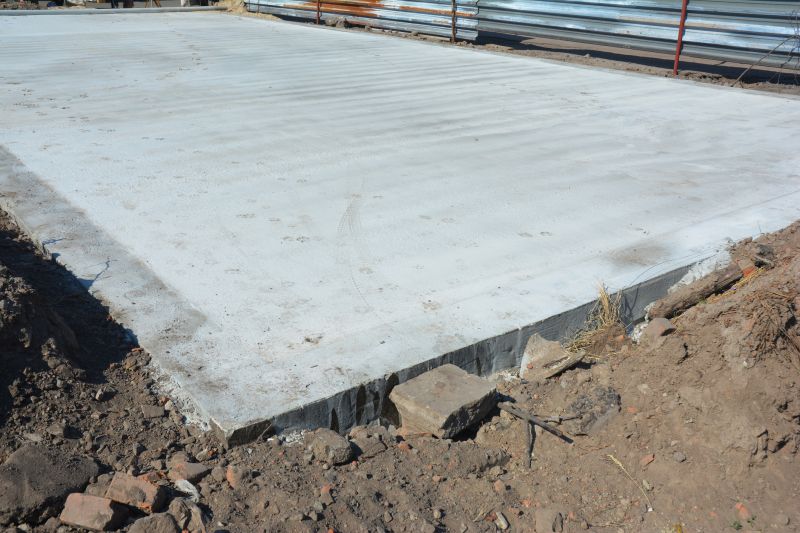
Provides a fresh, uniform appearance with enhanced durability.
For those interested in scheduling a concrete resurfacing project, it is recommended to contact professionals during the optimal seasons to ensure the best results. Proper timing and preparation are key to achieving a resilient and visually appealing surface that lasts.