Common Causes of Damage to Concrete Flatwork
People seeking damage to concrete flatwork repair often want to fix cracks, spalling, or uneven surfaces, and local contractors can provide expert solutions.
Understanding the common causes of damage to concrete flatwork is essential for property owners seeking to maintain the integrity and appearance of their outdoor spaces. Factors such as freeze-thaw cycles, improper installation, heavy loads, and exposure to harsh weather can all lead to cracks, spalling, and other issues over time. Recognizing these potential problems early can help prevent more extensive and costly repairs down the line. Local contractors experienced in concrete flatwork repair are equipped to assess the specific causes of damage and recommend effective solutions to restore and protect your surfaces.
Exploring the reasons behind concrete flatwork deterioration is especially practical for property owners managing commercial lots, residential driveways, or outdoor patios. Addressing issues caused by common factors promptly can extend the lifespan of the concrete and improve safety. Skilled service providers in the area are ready to assist with repairs that address these root causes, ensuring your flatwork remains durable and visually appealing. Keep reading to learn more about how local experts can help you identify the causes of damage and maintain your concrete surfaces effectively.
- Driveway or sidewalk repair - homeowners noticing cracks or uneven surfaces can rely on local contractors to assess and restore damaged concrete flatwork.
- Crack filling and sealing - when small fractures develop due to temperature fluctuations or settling, service providers can perform targeted repairs to prevent further deterioration.
- Surface leveling and mudjacking - uneven or sunken concrete areas caused by soil movement are addressed by local pros through specialized leveling techniques.
- Expansion joint repair - damaged or missing joints resulting from repeated freeze-thaw cycles can be restored by local contractors to maintain flatwork integrity.
- Complete flatwork replacement - severe damage from heavy loads or extensive cracking may require full removal and replacement, handled by experienced service providers.
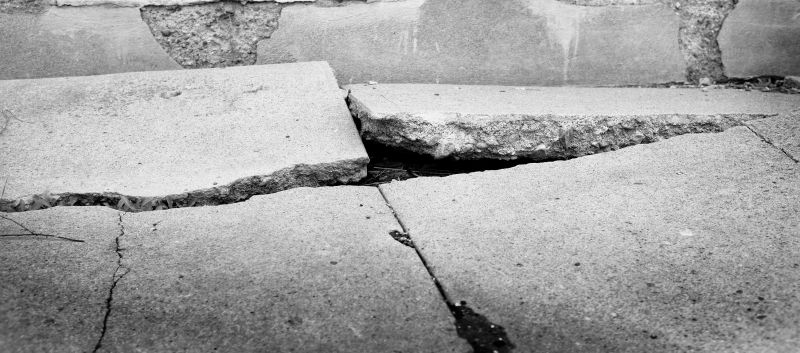
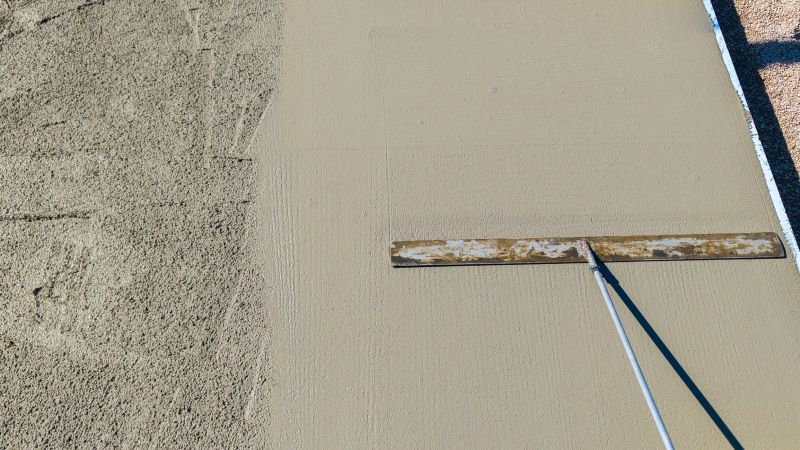
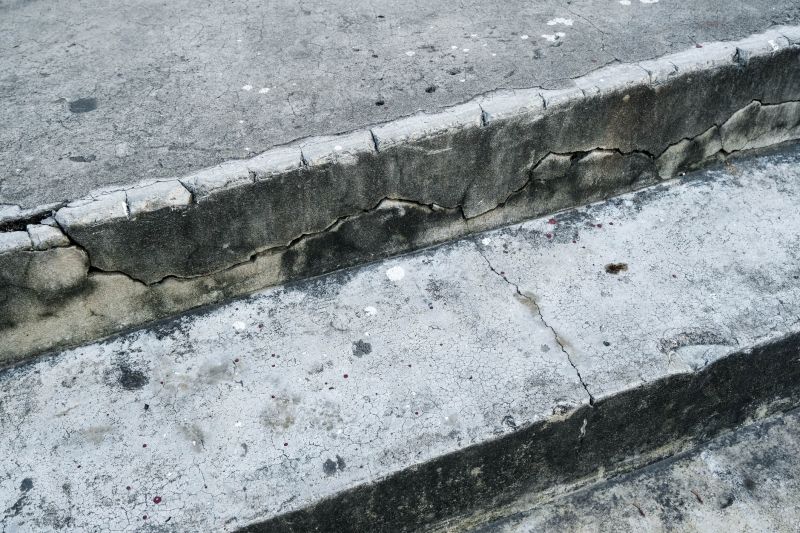
Understanding the common causes of damage to concrete flatwork is essential for homeowners who want to protect their property and ensure the longevity of their surfaces. Concrete flatwork includes features like driveways, walkways, patios, and flooring in garages or basements. When these surfaces develop cracks, spalling, or uneven areas, it often points to underlying issues that need addressing. People searching for this topic are usually concerned about the structural integrity and appearance of their concrete, especially if they notice signs of wear or damage. Identifying the root causes helps homeowners plan repairs effectively and avoid more extensive problems down the line.
One of the primary factors contributing to damage is exposure to moisture and water infiltration. When water seeps into small cracks or porous areas of the concrete, it can weaken the material over time, especially if it repeatedly freezes and thaws. This cycle causes the concrete to expand and contract, leading to cracks and surface deterioration. Poor drainage around the property can exacerbate this issue, making it more likely for water to pool or penetrate beneath the flatwork. Local service providers experienced in damage repair can assess drainage and moisture issues to recommend appropriate solutions, such as sealing cracks or improving runoff management.
Another common cause of damage is the impact of heavy loads or frequent traffic. Concrete surfaces that are subjected to weight beyond their design capacity-such as large vehicles on driveways or heavy equipment on commercial flatwork-can develop cracks, spalling, or even structural failure. Over time, repeated stress weakens the surface, especially if the concrete was not initially reinforced for such loads. Additionally, improper installation practices, like inadequate subgrade preparation or insufficient reinforcement, can make flatwork more vulnerable to damage from daily use. Local contractors familiar with damage repair can evaluate these issues and suggest reinforcement or replacement to restore strength and durability.
Environmental and chemical factors also play a significant role in damaging concrete flatwork. Exposure to harsh weather conditions, such as extreme heat or cold, can cause surface cracking and surface scaling. Chemical spills, like de-icing salts or industrial chemicals, can accelerate deterioration by breaking down the concrete’s surface or causing corrosion of embedded reinforcement. Over time, these elements weaken the integrity of the flatwork, leading to visible damage. Repair specialists can address these issues by cleaning, sealing, or replacing affected areas, helping to prevent further deterioration and extend the life of the concrete surface. Recognizing these causes allows homeowners to better understand when professional damage repair services are needed to maintain their property’s value and safety.
Driveway installation projects often involve similar planning and preparation skills as repairing damage caused by water infiltration or settlement in concrete flatwork.
Sidewalk and walkway construction requires precise leveling and reinforcement techniques that are also essential in addressing cracks and uneven surfaces in flatwork repairs.
Patio and outdoor living space projects involve managing load distribution and surface durability, which are key considerations when fixing damage from freeze-thaw cycles and heavy use.
Garage floor coating and resurfacing share the need for surface preparation and crack mitigation methods used in repairing damage caused by chemical spills or abrasion.
Foundation repair and stabilization services involve understanding soil movement and moisture issues, which are common causes of damage to concrete flatwork.
Retaining wall construction and repair requires knowledge of drainage and soil pressure, similar to addressing issues that lead to damage in flat concrete surfaces.
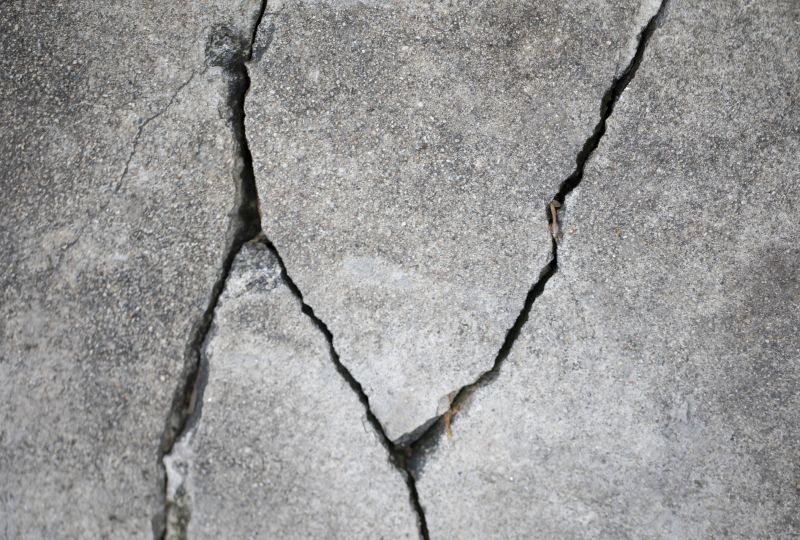
When evaluating service providers for damage repair to concrete flatwork, it is important to consider their experience with similar projects. Homeowners should look for local contractors who have a proven track record of addressing common causes of damage to concrete flatwork, such as cracking, spalling, or surface deterioration. An experienced service provider will have a better understanding of how different issues develop and the most effective repair strategies, helping ensure that the work is performed correctly and that the repair will stand the test of time.
Clear written expectations are essential when comparing local pros for concrete flatwork repairs. Homeowners should seek providers who can offer detailed descriptions of the scope of work, materials to be used, and the steps involved in the repair process. Having this information in writing helps prevent misunderstandings and ensures that both parties are aligned on the project’s goals. Additionally, reputable service providers should be willing to share references from previous clients, particularly those who had similar issues, to demonstrate their capability and reliability.
Effective communication is a key factor in choosing the right contractor for concrete flatwork repair services. Homeowners should prioritize local contractors who are responsive, transparent, and willing to answer questions thoroughly. Good communication helps clarify project details, timelines, and expectations, reducing the likelihood of surprises or missteps during the repair process. By selecting service providers who emphasize clear, ongoing dialogue, homeowners can feel more confident that their concerns will be addressed and that the repair work will meet their needs.
Property owners often search for common causes of damage to concrete flatwork when they are planning practical projects around their homes and businesses. Local pros provide Damage to Concrete Flatwork Repair services for everyday jobs and straightforward project options.
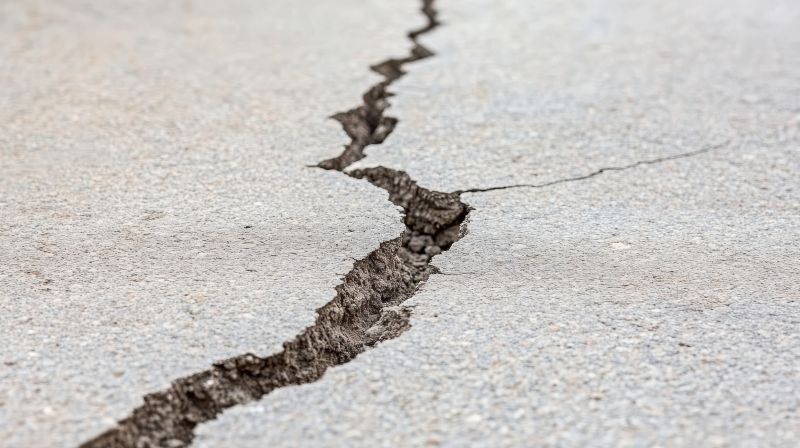
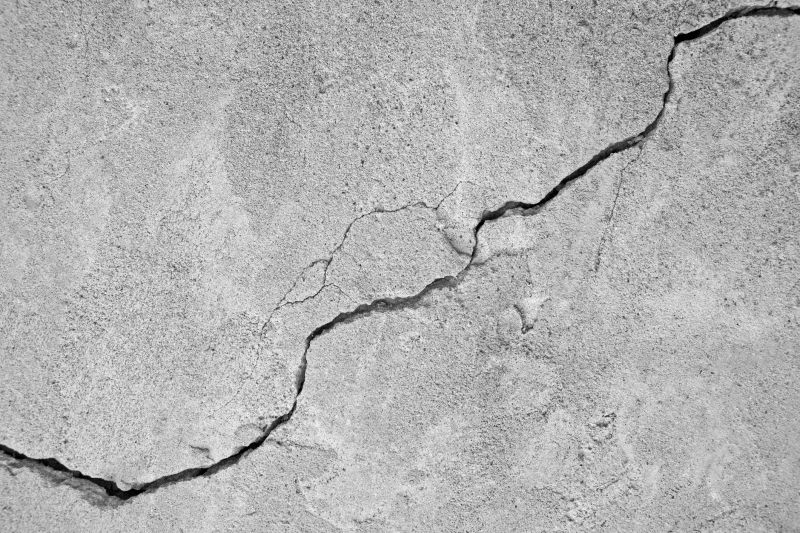
Many property owners in the area find themselves researching common causes of damage to concrete flatwork after noticing cracks, uneven surfaces, or deterioration in their driveways, patios, or walkways. Everyday situations such as exposure to harsh weather conditions-like freezing and thawing cycles-can cause the concrete to expand and contract, leading to cracks over time. Additionally, heavy vehicles or equipment parked or driven over the flatwork frequently can put excess stress on the surface, resulting in chips or crumbling edges. Poor initial installation, including inadequate compaction or improper mixing, can also make concrete more vulnerable to early damage, prompting property owners to seek repair services from local contractors who specialize in restoring and strengthening flatwork.
Other common causes of damage include the infiltration of water beneath the surface, which can weaken the foundation and cause sinking or heaving, especially during cold weather. Over time, tree roots may grow underneath and lift or crack the concrete, while spills of chemicals or de-icing salts can accelerate surface deterioration. For property owners noticing these issues, connecting with local service providers experienced in concrete flatwork repair can help address the damage effectively. These professionals can assess the root causes and recommend suitable solutions to restore the integrity and appearance of the flatwork, ensuring it remains safe and functional.
What are common causes of damage to concrete flatwork? Common causes include freeze-thaw cycles, improper installation, heavy loads, and exposure to chemicals or moisture, which can lead to cracking and deterioration. Local contractors experienced in flatwork repair can assess and address these issues effectively.
How does improper installation contribute to damage? Poorly mixed or poured concrete, inadequate curing, or insufficient reinforcement can weaken the flatwork, making it more susceptible to cracking and surface damage. Skilled service providers can identify and correct installation problems.
Can environmental factors cause damage to concrete flatwork? Yes, exposure to freeze-thaw cycles, standing water, and de-icing salts can cause surface scaling, cracking, and spalling. Local repair specialists can help restore damaged surfaces and prevent further deterioration.
What role do heavy loads play in damaging concrete flatwork? Excessive weight from vehicles or equipment can cause stress and cracking in the concrete. Experienced contractors can evaluate load capacity and perform repairs to reinforce the flatwork.
How do chemicals and moisture affect concrete flatwork? Chemicals like salts and acids, along with moisture infiltration, can weaken the concrete and lead to surface damage. Local pros can provide cleaning, sealing, and repair services to mitigate these issues.
Heavy vehicle traffic - Regularly monitor areas with frequent vehicle use and consider reinforcement options to prevent cracking and surface damage, with local contractors offering repair solutions.
Water exposure and poor drainage - Ensure proper drainage around flatwork to minimize water pooling, and seek out local pros who can repair or install drainage systems to protect the concrete.
Freeze-thaw cycles - Protect concrete from freeze-thaw damage by sealing surfaces and addressing cracks promptly, with local service providers capable of performing necessary repairs.
Improper installation - Verify that concrete flatwork is installed correctly initially, and contact local contractors for repairs if issues like uneven surfaces or cracking arise due to poor installation.
If you are thinking about common causes of damage to concrete flatwork for a property, this guide is meant to help you understand this topic, the typical project types, and how different options might fit your plans.
When you are ready, you can use the quote form on this page to share a few details about your project. From there, local pros can review the basics and follow up with options that match what you have in mind.