
Favorite Products For Concrete Resurfacings To Refresh Your Surfaces
Choose from top-rated solutions that help revitalize and strengthen concrete surfaces effortlessly.
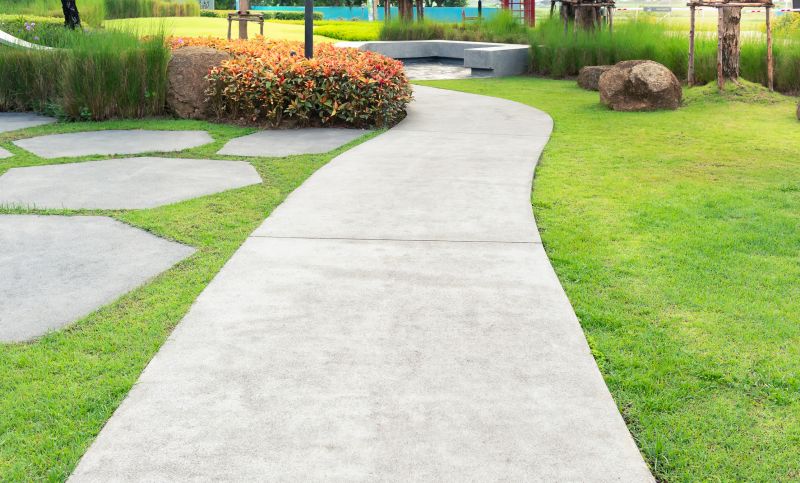 Concrete resurfacing products are designed to renew and enhance existing concrete surfaces, offering a way to improve durability and aesthetic appeal without complete replacement. These products come in various formulations, including overlays, coatings, sealers, and repair compounds, each suited to different types of damage and desired finishes. When selecting a resurfacing product, it is important to consider the current condition of the concrete, the intended use of the surface, and the desired appearance. Proper surface preparation is essential to ensure optimal adhesion and longevity of the new layer.
Top Overall Option
Concrete Overlay System
A comprehensive concrete overlay system offers a versatile solution for renewing and transforming existing concrete surfaces. These systems typically include a high-quality overlay material that adheres well to prepared surfaces, providing a smooth or textured finish. They are suitable for a wide range of applications, from driveways and patios to interior floors, and can be customized with colors, patterns, and textures to achieve the desired aesthetic. Proper surface preparation and application following manufacturer instructions are key to achieving durable and attractive results.
Types of Products For Concrete Resurfacings
Acrylic Concrete Coatings
Flexible and easy to apply, acrylic coatings provide a protective layer that enhances appearance and offers some stain resistance.
Polyurethane Sealers
Polyurethane sealers create a durable, glossy finish that helps protect concrete surfaces from stains and wear.
Epoxy Resurfacing Compounds
Epoxy compounds are known for their strong adhesion and chemical resistance, suitable for high-traffic or industrial areas.
Polymer Modified Overlays
These overlays incorporate polymers for enhanced flexibility and adhesion, ideal for surfaces with minor cracks.
Stamped Concrete Coatings
Designed for decorative finishes, stamped coatings can mimic stone, brick, or other textures.
Self-Leveling Resurfacing Compounds
Self-leveling products create smooth, even surfaces, often used for interior floors or uneven outdoor slabs.
High-Performance Sealers
These sealers provide long-lasting protection against stains, UV rays, and weathering.
Polyurea Coatings
Polyurea coatings offer rapid curing and high durability, suitable for commercial or industrial applications.
Color Patches and Dyes
Used to add color or correct uneven tones, these products are often applied in conjunction with other resurfacing options.
Crack Repair Mortars
Specialized mortars help fill and stabilize cracks before applying resurfacing products.
Textured Coatings
These coatings add grip and decorative texture, suitable for outdoor walkways and pool decks.
Liquid Membranes
Liquid membranes form a waterproof barrier, often used as a base layer before overlays.
Resinous Floor Coatings
Resin coatings provide a seamless, durable surface for garages, basements, and industrial floors.
Popular Choices
Widely used for their ease of application and variety of finishes, acrylic coatings are popular for residential projects.
Known for their durability and gloss finish, these sealers are frequently chosen for outdoor surfaces.
Favored for their strong adhesion and chemical resistance, epoxy products are common in commercial settings.
Decorative stamped coatings are trending for creating textured, patterned surfaces that mimic natural materials.
Ideal for smoothing uneven floors, these products are popular for interior renovations.
Chosen for their long-lasting protection, these sealers are common for outdoor patios and driveways.
Rapid-curing and highly durable, polyurea coatings are trending for industrial and commercial applications.
Coloring agents that add vibrancy and uniformity to resurfaced concrete are increasingly popular.
Essential for preparing damaged surfaces, these repair mortars are a common first step in resurfacing projects.
Adding slip resistance and aesthetic appeal, textured coatings are trending for outdoor spaces.
Many resurfacing products are formulated to provide a seamless finish that can mimic the look of natural stone, brick, or textured surfaces. Some are designed for high-traffic areas such as driveways and walkways, offering enhanced durability and slip resistance. Others are more suited for decorative purposes, allowing for color customization, stamping, or textured finishes. Applying these products typically involves cleaning the existing surface thoroughly, repairing any cracks or damage, and then following the manufacturer’s instructions for application and curing.
Advancements in concrete resurfacing technology have introduced products that resist staining, UV damage, and weathering, helping surfaces maintain their appearance over time. Additionally, many products are formulated to be easy to apply for DIY enthusiasts, while still providing professional-looking results. It is advisable to select a product compatible with the existing concrete type and to consider the climate conditions of the area to ensure the longevity of the resurfacing effort. Regular maintenance and sealing can further extend the life and appearance of the resurfaced concrete.
Overall, the right product for concrete resurfacing depends on specific project requirements, including budget, surface condition, and aesthetic goals. Consulting product labels, customer reviews, and professional advice can help in making an informed choice, ensuring that the resurfacing process results in a durable, attractive finish that meets your needs.
Key Buying Considerations
- Assess the current condition of your concrete surface, including cracks, pitting, or staining.
- Determine the desired finish, whether smooth, textured, or patterned.
- Consider the location and exposure to weather, chemicals, or UV rays.
- Check compatibility of the product with existing concrete and previous coatings.
- Evaluate the ease of application, especially if DIY installation is intended.
- Review drying and curing times to plan your project timeline accordingly.
- Look for products that offer adequate adhesion and flexibility to prevent future cracking.
- Select a product with appropriate slip resistance for safety in high-traffic areas.
- Consider color options and whether the product can be tinted or dyed.
- Examine the product’s resistance to stains, UV damage, and weathering for longevity.
- Determine the level of maintenance required to keep the surface looking good over time.
- Review user feedback and ratings to gauge real-world performance.
- Ensure the product is suitable for the specific application, such as floors, driveways, or patios.
- Check for any special preparation or surface cleaning requirements before application.
- Consider budget constraints and compare the cost-effectiveness of different options.